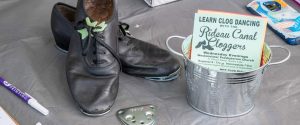
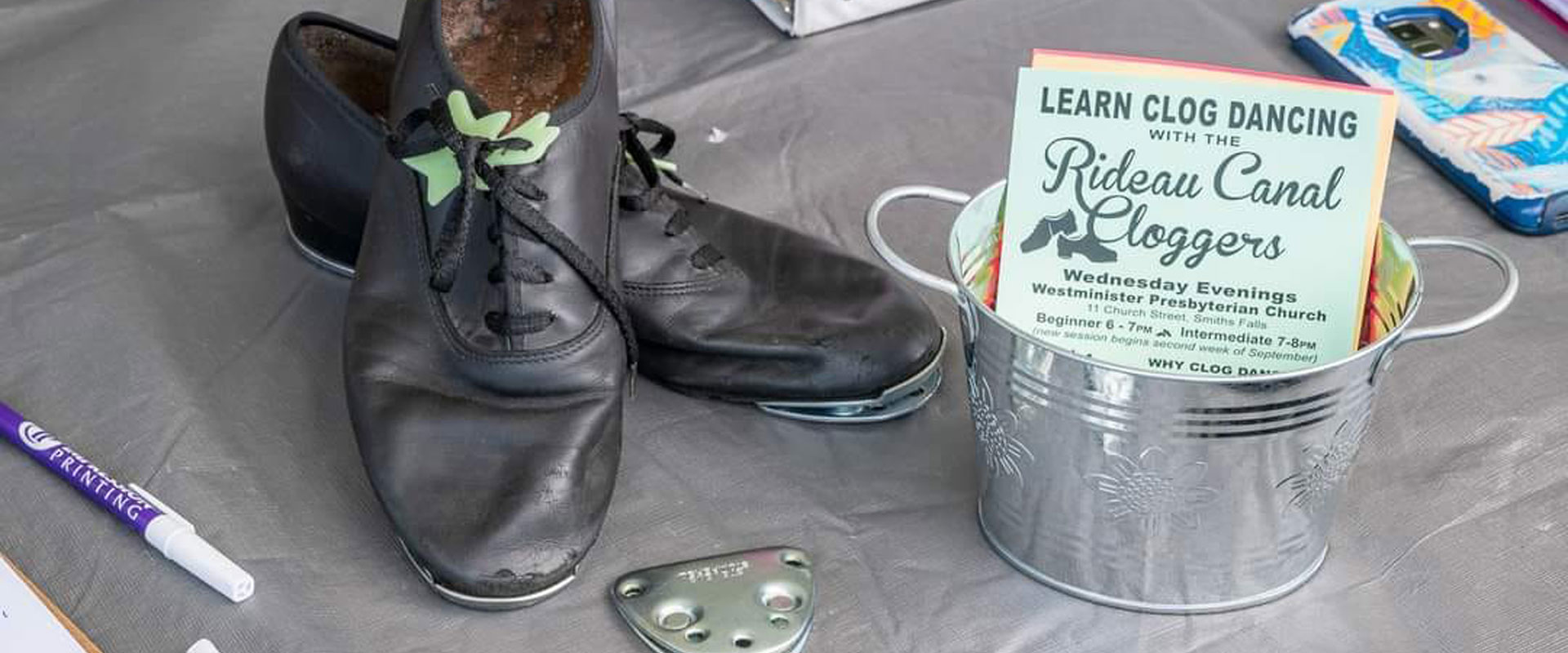
 When you think of bookkeeping, images of neat spreadsheets, meticulous calculations, and the soft click of a calculator come to mind. On the flip side, clog dancing conjures up a vibrant world of rhythmic footwork, lively music, and the energetic clatter of shoes hitting the floor. At first glance, these two worlds couldn’t seem more different. But believe it or not, bookkeeping and clog dancing share some surprising similarities.
1. The Basics
When you learn bookkeeping, you start with the fundamentals: debits, credits, balancing entries, and reconciliation. Every company’s books begin with these same foundational principles, but each business brings its own unique quirks and adjustments to the process. In much the same way, learning clog dancing starts with mastering the basic steps. As you progress to more advanced routines, each new move builds on those foundational steps, creating a complex dance that still echoes the basics you learned at the beginning.
2. It’s All About Rhythm and Precision
Whether you’re crunching numbers or tapping out beats, rhythm and precision are key components in the process. In bookkeeping, staying on top of every debit and credit requires a methodical approach; one misstep and the whole balance can be thrown off. Similarly, clog dancing is all about timing. Each step has to be in sync with the music, and missing a beat can disrupt the entire performance. Both disciplines demand a keen sense of timing, focus, and an eye for detail.
3. Patterns and Practice Make Perfect
Bookkeeping isn’t just about recording numbers; it’s about recognizing patterns in the data. Spotting trends in expenses or understanding cash flow can help businesses make informed decisions. Clog dancing also thrives on patterns—the repeated sequences of steps, stamps, and stomps that make up a routine. The beauty lies in mastering these patterns, whether they’re on a spreadsheet or the dance floor.
No one starts off as an expert bookkeeper or a flawless clog dancer. Both skills require dedication, practice, and the willingness to learn from mistakes..
4. Teamwork and Collaboration
While bookkeeping often seems like a solitary task, it’s actually a highly collaborative process. Bookkeepers work closely with business owners, accountants, and other professionals and stakeholders to ensure financial accuracy and compliance. Clog dancing, too, thrives on teamwork, especially in group performances where dancers must move in harmony with one another. Both require clear communication, trust, and the ability to work seamlessly with others to achieve a common goal.
5. The Satisfaction of a Job Well Done
There’s nothing quite like the satisfaction of closing the books for the month or nailing a complex dance routine. Both bring a sense of accomplishment that comes from hard work, discipline, and passion. For bookkeepers, it’s the joy of balanced ledgers and accurate reports. For dancers, it’s the thrill of applause and the joy of a performance well-executed. Both are art forms in their own right, blending skill and creativity to create something truly special.
Conclusion: Stepping in Sync
Bookkeeping and clog dancing may seem worlds apart, but they share an underlying connection: the dance of precision, rhythm, and skill. So, the next time you find yourself reconciling accounts or tapping your feet to a lively tune, remember—you’re just a few steps away from a performance of a different kind. Whether you’re fine-tuning financials or choreographing steps, it’s all about embracing the process, finding your flow, and creating something beautifully balanced.